
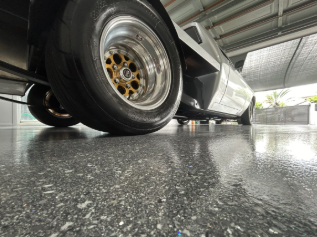
A good floor finish starts with the surface below it. Concrete grinding helps remove weak material, old coatings, stains, and rough spots from a slab before a new finish goes down. This step can make a major difference to how well the coating bonds and how smooth the final result looks. It also helps expose areas that need repair. Skipping this stage may lead to poor adhesion, uneven areas, or early wear.
Start With A Strong Surface
Old concrete can hold dust, paint, glue, grease, and another residue. These layers can stop a new coating from bonding well. Grinding clears much of that material and opens the surface for better adhesion. It also helps smooth rough sections and removes loose concrete that could weaken the finished floor. A clean base gives the next layer a better chance to perform. Good preparation may take time, but it can save trouble later.
Grinding Helps Coatings Bond Better
Every coating needs a sound surface beneath it. Concrete grinding creates the right texture for many coating systems by removing weak surface material and exposing a clean concrete profile. This matters because a coating that sits on dust or residue may lift, peel, or wear sooner. Grinding can also reveal cracks, pits, and uneven spots that need attention before coating begins. That makes the preparation stage useful for both appearance and long-term floor performance.
Driveways Need More Than Appearance
A driveway faces sun, rain, tyres, dirt, and daily traffic. Small cracks and worn areas can become more noticeable over time. Driveway resurfacing can give an older concrete surface a cleaner finish while helping improve its overall condition. Proper preparation remains important here too. lose material, damaged sections, and surface contamination should be dealt with before a new finish is applied. A well-prepared driveway can look neater and provide a evener surface for daily use.
Good Prep Supports Lasting Results
Surface preparation is not just one quick task. It may include grinding, cleaning, repairs, and checks for moisture or weak areas. The exact approach depends on the condition of the concrete and the finish selected. For flooring projects, grinding may be followed by repairs before the coating system is installed. Driveway work follows a similar principle. Driveway resurfacing works best when the existing surface is properly assessed and prepared first.
Choose Preparation Based On Need
No two concrete surfaces are quite the same. One slab may have old paint, while another may have cracks, stains, or areas of loose material. The right preparation method should match those conditions. Concrete grinding can be useful for removing surface contaminants and creating a suitable profile, while repairs address damaged sections. For driveways, driveway resurfacing may refresh worn concrete and improve its appearance. A careful assessment helps avoid applying the wrong treatment.
Conclusion
A fresh floor or driveway finish should do more than look good on day one. The surface underneath plays a major role in how the finished system performs over time. Proper grinding, repairs, cleaning, and coating selection can all support a stronger result. For homeowners and businesses seeking practical flooring solutions, epoxyflooringredlands.com.au provides preparation and coating services designed around different surface needs. Good preparation is a simple idea, but it can make a lasting difference.