
Older Adelaide homes have character above ground and a complicated history below it. A stone cottage may have its original clay drain, a bathroom added decades later, a newer PVC section near the boundary, and mature trees growing over the route. When that drainage line begins blocking, the repair is not always as simple as replacing one accessible pipe.
Pipe relining can be valuable in these settings because it repairs suitable damaged sections from inside the existing drain. It can reduce the need to excavate established gardens, paving, driveways, and parts of the building. That does not make it the right answer for every fault, but it gives owners another option when access is difficult and the pipe still has enough shape to support a liner.
Why older suburbs produce difficult drain repairs
Many established Adelaide properties were built with earthenware or clay drainage. These pipes were installed in short lengths, creating numerous joints. Over time, soil movement, root growth, and ageing seals can allow joints to separate or crack.
A later renovation may introduce PVC pipe connected to the older line. The change in material, level, or alignment can form a catch point for paper and waste. Previous spot repairs may also leave several different pipe conditions along one route.
The drain may run beneath a veranda, extension, tiled room, retaining wall, or concrete driveway that did not exist when the original pipe was laid. Reaching the damage by excavation can therefore affect much more than the pipe itself.
What relining actually does
Pipe relining creates a new structural lining within the existing drain. After the pipe is cleaned and assessed, a resin-saturated liner is positioned through an access point and cured against the internal wall.
The finished liner bridges suitable cracks, failed joints, and root entry points. It forms a smoother internal surface and removes many of the gaps roots previously used. Junctions and branch connections require careful planning so they remain open and functional.
The process is commonly described as no-dig, although some jobs still need limited excavation to create access, remove a collapsed section, or deal with a configuration that cannot be lined from existing openings.
Why reduced excavation matters on an established property
The cost of digging is not limited to soil removal. If a drain runs under landscaping, the owner may also face replacement of pavers, concrete, tiles, irrigation, garden beds, or fencing.
Inside a home, excavation may disturb finished floors or require removal of fixtures. On a sloping Hills property, depth and retaining structures can make conventional replacement more involved.
For homeowners considering pipe relining Adelaide, the reduced disruption can be an advantage. The value is often strongest where the surface above the drain is expensive, established, or difficult to reinstate.
A camera inspection determines whether the pipe is suitable
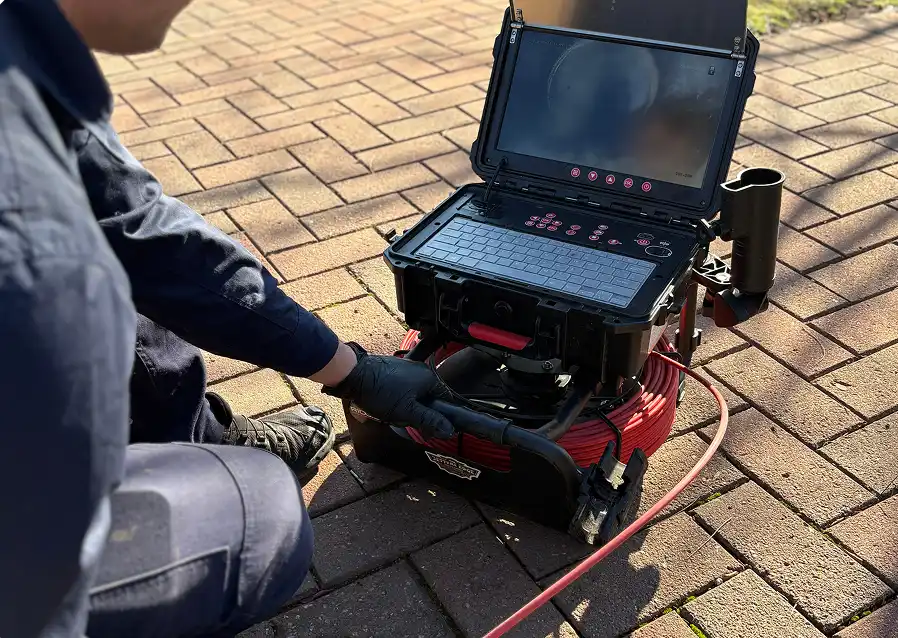
Relining should follow diagnosis, not guesswork. The drain is generally cleaned so a CCTV camera can show the pipe wall, joints, bends, connections, and extent of damage.
The plumber will consider whether the pipe has retained its basic shape. A liner can bridge cracks and seal joints, but it cannot reliably correct a severe collapse, major misalignment, or a section with inadequate gradient. Standing water may need further investigation because it can indicate a sag or poor fall.
Accurate locating is also important. It allows the owner to compare relining with excavation and understand which sections are being treated.
Relining can target a section rather than the whole property
Not every old drain needs to be lined from the house to the boundary. A camera may show one damaged run beneath a driveway while other sections remain sound. In that case, a sectional liner or a defined longer section may be appropriate.
Conversely, repeated root entry at many joints can make isolated patching less practical. The proposed length should match the condition shown on the footage, not a standard package.
Ask for the start and finish points to be marked or described. A clear scope makes it easier to understand which defects are included and which remain outside the work.
Where relining is not the best solution
A pipe that has collapsed or lost its circular shape may need excavation and replacement. A badly sagged drain can continue holding water after lining because the liner follows the existing path. Major changes in alignment, inaccessible junctions, or insufficient diameter may also limit suitability.
Sometimes cleaning is all that is required. If the pipe is structurally sound and blocked by removable grease, silt, or roots that entered from one repairable point, the owner should not be pushed toward relining without evidence.
A good recommendation explains both the benefits and the limitations. Relining is a repair method, not a cure for every slow drain.
The quality of preparation affects the outcome
The liner depends on the condition of the surface it bonds against. Roots, scale, grease, and loose material need to be removed as thoroughly as the pipe allows. Measurements and liner selection must account for diameter, bends, and access.
The curing process should be controlled, and the completed work should be checked with post-installation CCTV. The footage should show that the liner is properly positioned, branch connections are open, and the repaired section is free from obvious defects.
Owners should also receive clear documentation of the lined length and any limitations found elsewhere in the system.
Consider the whole repair, not only the drain
When comparing relining with excavation, include surface reinstatement, access, disruption, and the risk of disturbing established areas. Also consider whether other work is planned. If a driveway is already being replaced, open excavation may become more practical. If a finished extension sits above the pipe, relining may avoid major building work.
The decision is specific to the property. Two homes with similar blockages may reasonably choose different solutions because the pipe condition and surface access are different.
Older homes benefit from evidence-led choices
Adelaide’s older suburbs contain drainage systems assembled across generations. That history is precisely why diagnosis matters. A recurring blockage may be caused by one failed clay joint, a damaged length under an addition, or several defects spread along the line.
Pipe relining can provide a durable, less disruptive repair where the drain is suitable. The next step should be a proper clean, CCTV inspection, and a written scope showing what will be lined. With that information, homeowners can compare options based on the actual pipe rather than choosing between vague promises of digging or no digging.