
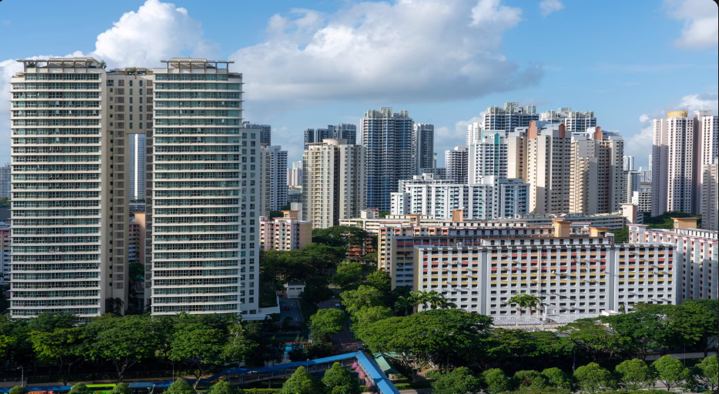
Singapore’s residential property market has reached a stage of maturity where buyers are no longer choosing between city convenience and lifestyle comfort. Instead, the new benchmark is balanced urban living—homes that deliver accessibility, efficiency, and connectivity while still supporting privacy, calm, and long-term comfort.
This shift reflects a deeper understanding among buyers that a truly valuable home must perform well both functionally and emotionally over time.
The Evolution of Buyer Expectations
In the past, urban living often meant accepting trade-offs such as noise, congestion, or limited personal space. Today’s buyers are far less willing to compromise. They expect residential developments to integrate seamlessly into their lifestyle without overwhelming them.
Balanced urban living meets this expectation by combining strategic location planning with thoughtful residential design. Developments such as Vela Bay appeal to buyers seeking refined residential environments that provide access to amenities and transport while preserving a sense of calm and privacy.
Location Without Overcrowding
A key element of balanced urban living is location selection. Buyers value proximity to transport nodes, dining options, and essential services, but they also want to avoid excessive foot traffic and congestion.
Residential developments positioned just outside intense commercial clusters often offer this balance, allowing residents to enjoy accessibility without constant daily disruption.
Design That Softens Urban Density
Design plays a crucial role in making urban living comfortable. Effective strategies include:
- Efficient layouts that minimize wasted space
- Sound insulation and privacy-conscious planning
- Unit orientation that maximizes natural light and airflow
These features help soften the impact of density and enhance everyday living comfort, even in well-connected urban settings.
Urban Convenience and Lifestyle Efficiency
Urban convenience saves time, and time has become one of the most valuable resources for modern homeowners. Shorter commutes, walkable amenities, and integrated transport networks allow residents to reclaim time for personal and family life.
Well-planned residential communities such as Tengah Garden Residences demonstrate how integrated town planning, accessibility, and residential comfort can coexist to support efficient yet balanced lifestyles.
Long-Term Demand for Balanced Homes
From a market perspective, homes that achieve a balance between convenience and comfort tend to attract consistent demand. They appeal to a broad audience, including professionals, families, and long-term owner-occupiers.
This diversity of demand supports price stability and reduces reliance on niche buyer segments.
Investment Performance and Market Resilience
Balanced urban homes often perform more resiliently during market fluctuations. In uncertain periods, buyers and tenants prioritize practicality, livability, and accessibility—qualities that balanced developments consistently deliver.
This resilience enhances holding power and long-term investment confidence.
Choosing the Right Balance
When evaluating residential properties, buyers should consider:
- Proximity to amenities without excessive congestion
- Quality of internal design and noise management
- Neighborhood character and zoning stability
- The balance between accessibility and privacy
Comparing developments such as Vela Bay and Tengah Garden Residences helps buyers understand how different approaches to urban balance influence lifestyle quality and long-term residential value.
Conclusion
Balanced urban living is no longer a luxury—it is an expectation. Buyers who prioritize this balance are more likely to secure homes that remain desirable, functional, and valuable well into the future.