
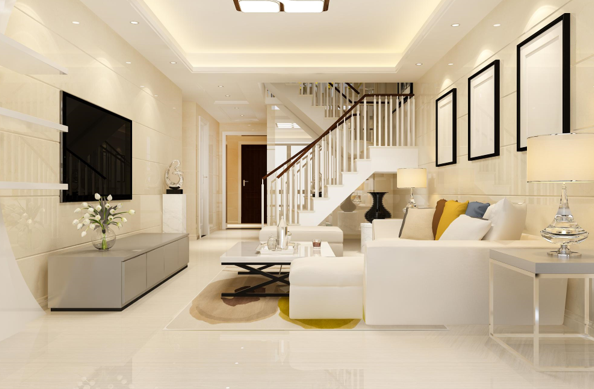
In Singapore’s residential market, buyers are often comparing homes where the differences in size are not dramatic. Yet during viewings, buyers frequently describe one unit as “more spacious” even when the floor area is similar. This reaction is a psychological response to space perception how the home feels rather than what the floorplan says.
Developments like Narra Residences and River Modern highlight how planning, proportion, and design cues influence perceived space and shape buyer demand.
Why Perceived Space Matters
Space perception affects emotional comfort. Buyers are drawn to homes that feel breathable, uncluttered, and easy to move around in. This is not just preference it is instinctive. A home that feels tight creates subtle stress signals, while a home that feels open creates reassurance and calm.
Key drivers of perceived spaciousness include:
- Clear entry-to-living flow
- Less corridor “wastage”
- Functional furniture placement options
- Strong daylight penetration
- Balanced room proportions
When these elements exist, buyers often experience immediate positive emotion that supports decision confidence.
Layout Flow and Psychological Ease
A home that allows smooth movement reduces mental friction. Buyers interpret this as “good design,” even if they cannot articulate why. Many stability-oriented buyers connect this with long-term liveability an area where Narra Residences can appeal because a comfortable flow supports the idea of staying long-term.
For convenience-driven buyers, flow equals efficiency. If a layout supports quick daily routines, it feels modern and practical often a psychological advantage for projects like River Modern where lifestyle efficiency matters.
Light as Emotional Space
Natural light changes space perception. Bright living areas feel larger and safer. Dark corners feel smaller and less welcoming. Buyers often “fall in love” with a unit because it feels bright, even before evaluating details.
This is why buyers compare not only location and price, but orientation, window placement, and openness factors that strongly influence emotional response in both Narra Residences and River Modern.
Conclusion
In Singapore, where space is precious, buyers often purchase what feels spacious rather than what is technically larger. Space perception is buyer psychology in action. Developments like Narra Residences and River Modern demonstrate how planning choices can create emotional comfort and drive stronger demand.