
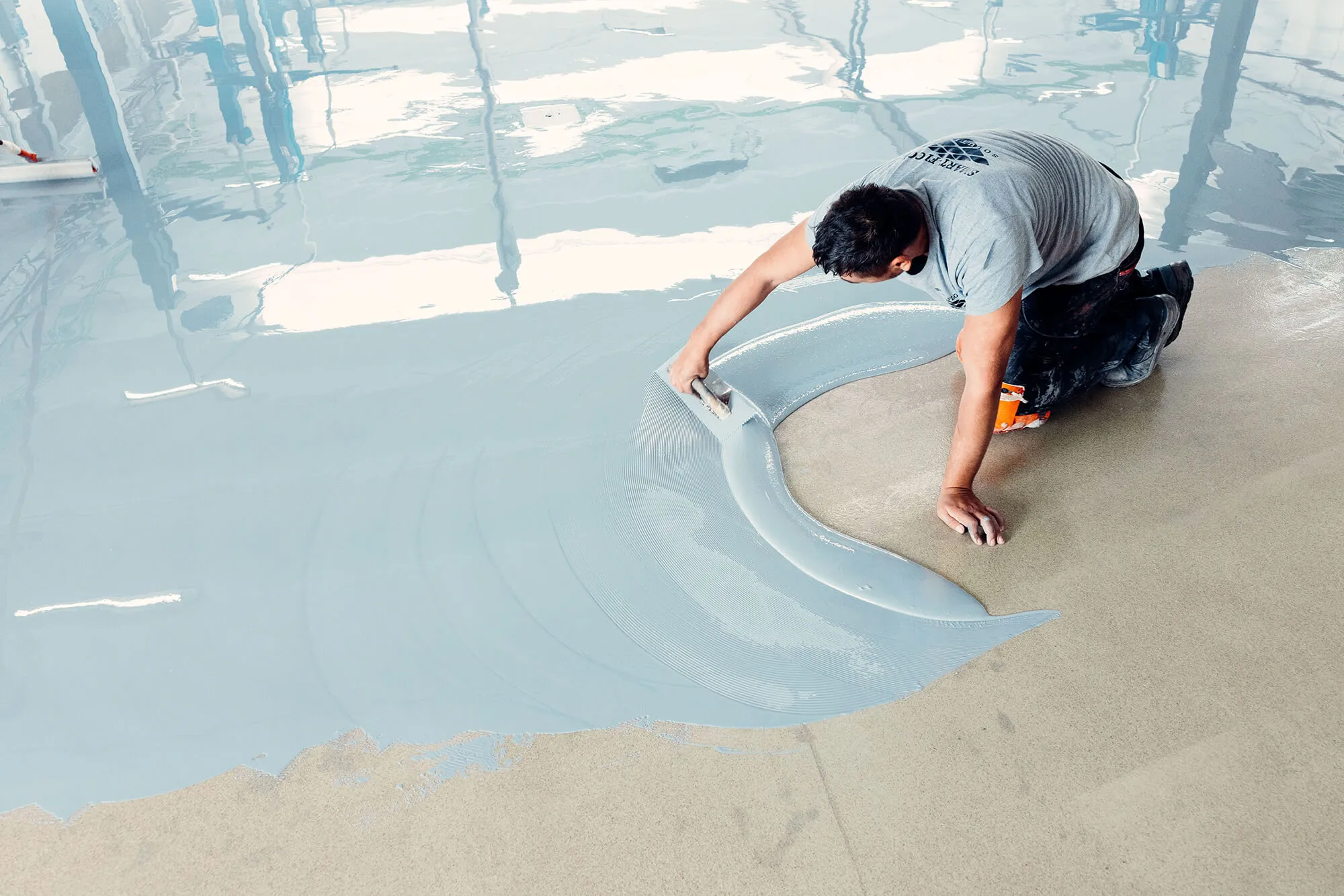
Concrete is a practical base for garages, workshops, shops and industrial spaces, but the bare surface can become dusty, stained or worn with regular use. A suitable coating can help protect it while giving the room a cleaner, more finished appearance. The right choice depends on how the area is used, the condition of the slab and the look you want to achieve. Before choosing a system, consider foot traffic, vehicle movement, spills, moisture and the level of upkeep you can manage for years to come.
A Strong Surface Starts With the Right System
Concrete is a practical base for garages, workshops and business premises, but daily use can leave it dusty, stained or worn. A suitable coating helps protect the slab while giving the space a cleaner, more finished appearance. The best option depends on the condition of the concrete, the activity in the room and the finish you prefer. Consider vehicle movement, foot traffic, spills and moisture before making a choice. A clear plan helps ensure the flooring suits busy everyday environments for homes and workplaces alike.
Understanding the Benefits of Resin Flooring
A well-installed epoxy floor can create a seamless surface that is easier to clean than untreated concrete. The resin and hardener combine to form a firm layer that bonds to a properly prepared slab. This makes the system useful in garages, workshops, retail spaces and selected industrial settings. It can help limit dust and protect against many everyday marks, oil spills and routine wear. The final performance depends on the coating selected, the concrete condition and careful installation when the correct product is used over time.
Choosing a Finish That Suits Your Space
Color and texture have a real effect on how a room looks and works. Plain grey finishes can give a workshop or warehouse a neat, practical appearance, while decorative flakes add pattern and visual depth to a garage or showroom. Gloss, satin and matte options can also change the overall feel of the floor. Johnsons Flooring offers color choices that can be matched to a home, business or brand. Think about lighting, cleaning needs and nearby fittings, as well as the intended purpose of the room.
Why Preparation Matters Before Application
Good results begin long before the coating is spread across the concrete. The surface needs to be clean, sound and free from dust, grease, loose material and old coatings that could affect adhesion. Diamond grinding can remove weak surface layers and create a suitable profile for the new system. Cracks or damaged areas may also need repair before work begins. Skipping these steps can lead to poor bonding or an uneven finish, so preparation should be treated as a key part of the project before any coating product is applied.
Where Protective Coatings Work Best
Different spaces place different demands on a floor. Home garages need to cope with tires, stored tools and occasional oil drips, while workshops may face heavier equipment and frequent movement. Shops and offices often need a tidy finish that is simple to maintain, and warehouses may require a system suited to regular traffic. A suitable epoxy floor coating can protect concrete in many of these settings, provided the coating is selected for the expected use. Food preparation areas may need a separate food-grade flooring system and regular cleaning routines.
Keeping the Finished Floor in Good Condition
Routine care helps preserve the appearance of a coated surface. Sweep or dust-mop often to remove grit that could mark the finish, then clean spills before they have time to build up. Use a suitable mild cleaner and avoid harsh products unless the coating manufacturer approves them. Place protective pads beneath heavy items where practical, and take care when moving equipment across the floor. If damage appears, arrange an assessment rather than allowing a small chip or crack to spread, and follow the supplier’s care instructions.
Conclusion
A durable floor is the result of choosing a suitable system, preparing the concrete properly and following the right care routine after installation. Consider how the space is used, the finish you prefer and the demands placed on the surface before making a decision. Professional advice can help you compare options and understand the work involved. For guidance on residential, commercial or industrial flooring, visit johnsonsflooring.com.au and arrange an on-site estimate with the team. A well-planned project can give your concrete a cleaner, more practical finish.