
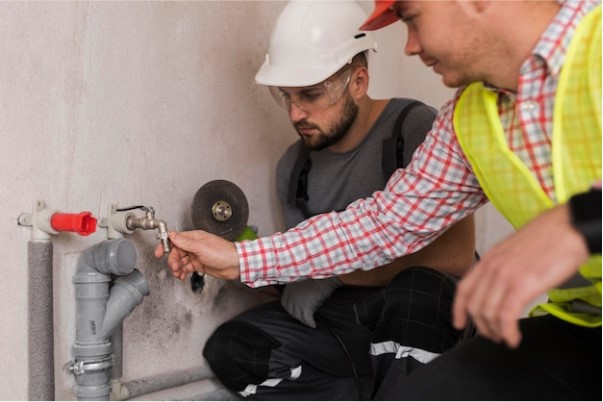
A well pump plays a crucial role in delivering clean and consistent water to your home. When it begins to fail, it can disrupt daily activities such as cooking, cleaning, and bathing. Recognizing the early warning signs of trouble can help homeowners avoid unexpected breakdowns and costly repairs. In many cases, timely well pump replacement is the best solution to restore reliable water supply and maintain household comfort.
1. Low or Inconsistent Water Pressure
One of the most common signs of a failing well pump is reduced or fluctuating water pressure. If your faucets produce weak flow or the pressure changes unexpectedly, the pump may be struggling to push water efficiently.
While minor issues can sometimes be repaired, ongoing pressure problems often indicate that a well pump replacement may be necessary to restore consistent performance.
2. No Water from Faucets
If your home suddenly has no water at all, the well pump could be completely worn out or damaged. Electrical failures, motor burnout, or mechanical wear can cause the pump to stop working entirely.
When troubleshooting confirms that the well and power supply are functioning properly, replacing the pump is usually the most effective way to resolve the issue.
3. Strange Noises from the Pump System
Well pump replacement may be necessary if you begin to hear unusual sounds such as grinding, clicking, or humming coming from the pump or pressure tank. These noises often indicate internal wear, loose components, or motor problems.
Persistent mechanical sounds suggest that the system is nearing the end of its lifespan and should be addressed quickly to prevent sudden failure.
4. Air Spitting from Faucets
If your faucets begin to sputter or release bursts of air along with water, it may signal a problem within the well pump system. This issue can occur when the pump is unable to maintain proper pressure or when there is damage to internal components.
Addressing the problem early can prevent further damage and help determine whether repair or replacement is the better option.
5. Rising Energy Bills
An aging or inefficient pump often works harder to deliver the same amount of water, which can increase energy consumption. If you notice a sudden rise in electricity costs without a clear reason, your well pump may be losing efficiency.
Upgrading to a newer, energy-efficient model through well pump replacement can lower operating costs and improve overall performance.
6. Dirty or Muddy Water
Changes in water quality, such as sediment, mud, or discoloration, may indicate that the pump is drawing water improperly or that internal components are worn out. In some cases, a failing pump can disturb sediment at the bottom of the well. Replacing the pump and inspecting the system can help restore clean and safe water for household use.
Conclusion
A reliable well pump is essential for maintaining a steady and safe water supply in your home. Warning signs such as low pressure, strange noises, high energy bills, and water quality issues should be addressed promptly. Scheduling a professional inspection and considering timely well pump replacement can prevent major disruptions, protect your water system, and ensure long-term efficiency and peace of mind for your household.