
What Are Asbestos Fibers?
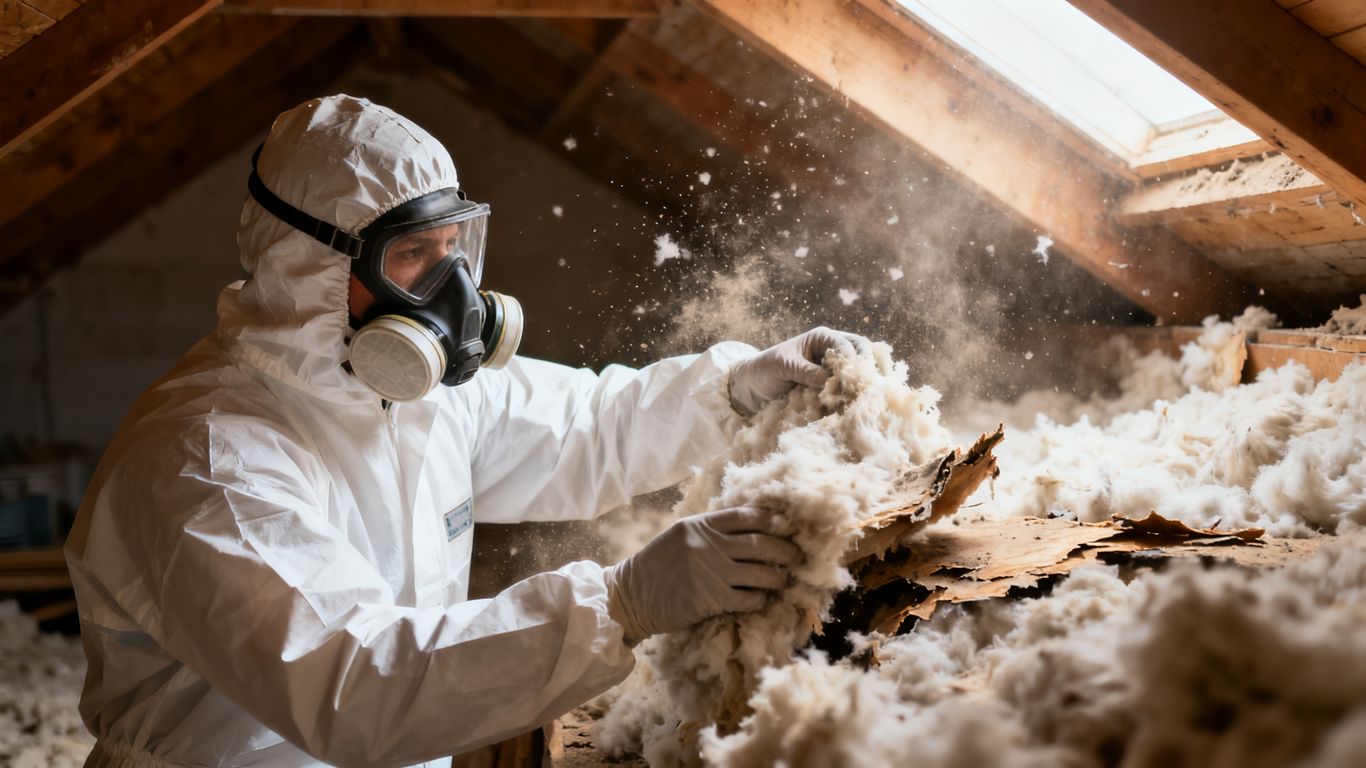
Asbestos is a group of naturally occurring minerals that were once popular in building materials because they are strong and resist heat. You can find it in things like insulation, roofing, and even some floor tiles. The problem is that asbestos breaks down into tiny fibers, so small you can’t see them. When these materials get old, damaged, or disturbed, these fibers can become airborne. Once these microscopic fibers are released into the air, they pose a significant health risk.
Long-Term Health Consequences Of Inhalation
When asbestos fibers get into the air, they can be inhaled and become lodged deep within the lungs. Your body has a hard time getting rid of them. Over time, these trapped fibers can cause inflammation and scarring in the lung tissue. This can lead to serious, long-lasting respiratory problems. The symptoms of these diseases often don’t show up for many years, sometimes decades, after the initial exposure. This delayed reaction makes it particularly dangerous, as people may not realize they’ve been harmed until much later.
Some of the health issues that can arise from inhaling asbestos include:
- Asbestosis: A chronic lung disease that causes scarring and shortness of breath.
- Pleural plaques: Thickening of the lining around the lungs.
- Other respiratory issues: Including coughing and irritation.
The Link Between Asbestos And Cancer
The connection between asbestos exposure and certain types of cancer is well-established. The most concerning is mesothelioma, a rare and aggressive cancer that affects the lining of the lungs, abdomen, or heart. This cancer is almost exclusively linked to asbestos exposure. Additionally, individuals exposed to asbestos have a significantly higher risk of developing lung cancer. Even short periods of exposure can increase these risks, highlighting why it’s so important to manage asbestos materials properly. If you suspect asbestos is present in your home, it’s wise to consult with professionals who can assess the situation and advise on safe handling. professional asbestos removal is key to preventing exposure.
The Critical Role Of Professional Asbestos Remediation
When asbestos is identified in a home, the immediate thought might be to tackle the removal yourself to save money. However, this is a path fraught with significant risks. Professional asbestos remediation is not merely a suggestion; it’s a necessity for safeguarding your health and the integrity of your home. These materials, often found in older building components, can release microscopic fibers into the air when disturbed. Inhaling these fibers is the primary route of exposure, and it can lead to severe, long-term health issues, including various cancers. Professionals are trained to handle these hazardous substances with the utmost care.
Ensuring Safe Removal Of Hazardous Materials
Professional asbestos abatement companies possess the specialized knowledge, equipment, and training required to manage asbestos safely. They understand the different types of asbestos-containing materials (ACMs) and the specific risks associated with each. Their process involves:
- Containment: Setting up barriers and negative air pressure systems to prevent fibers from spreading to other parts of the house.
- Personal Protective Equipment (PPE): Utilizing advanced respirators and protective suits to shield workers from fiber inhalation.
- Specialized Tools: Employing tools designed to minimize fiber release during removal.
This meticulous approach is vital because even small amounts of disturbed asbestos can contaminate living spaces. Without proper containment, fibers can settle into carpets, upholstery, and ventilation systems, posing a lingering threat. Hiring a certified contractor means you are relying on individuals who follow strict protocols designed to protect everyone in the vicinity. You can find accredited professionals through your state’s environmental agency.
Protecting Lung Health Through Abatement
The primary concern with asbestos is its impact on lung health. When inhaled, asbestos fibers can become lodged in the lungs, leading to inflammation and scarring over time. This can result in serious conditions like asbestosis, a chronic lung disease that impairs breathing, and significantly increases the risk of lung cancer and mesothelioma. These diseases often have a long latency period, meaning the damage done today might not manifest as illness for decades. Professional abatement services are designed to eliminate this exposure pathway entirely. By removing the source of the fibers, they directly protect the occupants from the potential development of these debilitating respiratory illnesses. This proactive step is a direct investment in the long-term health of your family.
Minimizing Exposure During Renovation Projects
Renovations, whether minor or major, are a common trigger for asbestos fiber release. If your home was built before the 1980s, there’s a good chance that materials like insulation, floor tiles, or ceiling panels contain asbestos. Disturbing these materials during demolition or construction can send fibers airborne. Professionals are trained to identify these hidden hazards before work begins. They can conduct thorough inspections and testing to pinpoint ACMs. If asbestos is present, they will manage its removal or encapsulation before other renovation activities commence. This prevents accidental exposure to your family and any workers on site, making renovations safer and compliant with regulations. This careful planning helps avoid costly and dangerous surprises down the line.
The Step-By-Step Asbestos Abatement Process
Initial Inspection And Material Testing
Before any work begins, a thorough inspection is necessary to identify potential asbestos-containing materials (ACMs). This isn’t something you can guess; visual inspection alone is insufficient. Certified inspectors will take samples of suspect materials, such as insulation, tiles, or textured coatings. These samples are then sent to an accredited laboratory for testing. This scientific analysis confirms the presence and type of asbestos, if any. This initial testing is critical for developing a safe and effective removal plan. Without it, you risk disturbing asbestos unnecessarily or failing to address it properly.
Containment And Air Quality Control
Once ACMs are confirmed, the next vital step is containment. The work area must be completely sealed off from the rest of the home to prevent the spread of hazardous fibers. This typically involves covering all surfaces with heavy-duty plastic sheeting and using specialized tape to create airtight seals. Negative air pressure machines, equipped with HEPA filters, are then used to exhaust air from the contained area, drawing any airborne fibers out and trapping them. This meticulous process helps maintain safe air quality throughout the rest of your house during the abatement.
Safe Removal And Disposal Procedures
With the area contained, the actual removal process begins. Professionals will wear specialized protective gear, including respirators, disposable coveralls, and gloves. The asbestos-containing materials are often carefully wetted with a special solution to minimize fiber release into the air. Workers then meticulously remove the material, handling it with care to avoid breaking it into smaller pieces. All removed debris is immediately placed into sealed, labeled, heavy-duty disposal bags. These bags are then transported by licensed professionals to an approved landfill designed for hazardous waste disposal. This ensures that the material is handled safely from start to finish, following strict disposal procedures.
Post-Abatement Air Testing And Verification
After the removal is complete and the area has been thoroughly cleaned using HEPA vacuums and wet wiping methods, the final step is air testing. An independent third-party inspector will conduct air samples within the abated area. These samples are analyzed by a laboratory to confirm that asbestos fiber levels have returned to safe, background levels. Only when the air tests meet regulatory standards is the containment removed, and the area declared safe for reoccupation. This verification step is your assurance that the asbestos abatement was successful and your home is now free from this hazard.
Benefits Of Professional Asbestos Remediation In Homes
Improved Indoor Air Quality For Your Family
When asbestos-containing materials are disturbed, microscopic fibers can become airborne. These fibers are incredibly small and can remain suspended in the air for a long time, posing a significant risk to anyone breathing them in. Professional asbestos abatement removes the source of these fibers, drastically reducing the risk of inhalation. This process cleans the air, making your home a much safer place to live. The result is a healthier environment for everyone, especially children whose lungs are still developing.
Reduced Risk Of Serious Respiratory Illnesses
Inhaling asbestos fibers can lead to severe health problems, including asbestosis, lung cancer, and mesothelioma. These diseases often have long latency periods, meaning the damage can be done long before symptoms appear. By having professionals remove asbestos, you eliminate these harmful fibers from your home. This action directly lowers the chance of developing these life-threatening conditions. It’s a proactive step towards protecting your family’s long-term health and well-being.
Peace Of Mind And Enhanced Well-being
Knowing that your home is free from asbestos provides a significant sense of relief. The worry associated with potential exposure and the associated health risks can be a constant burden. Professional remediation services handle the complex and dangerous task of asbestos removal, adhering to strict safety protocols and regulations. This ensures the job is done correctly and safely, giving you confidence in your living environment. It allows you to focus on enjoying your home without the underlying concern of asbestos exposure. This peace of mind is invaluable, contributing to a more relaxed and healthier lifestyle for your household. If you’re considering renovations on an older property, it’s wise to get a professional asbestos inspection done first.
Navigating Regulations And Ensuring Compliance
Federal, State, And Local Mandates
Dealing with asbestos in your home isn’t just a matter of health; it’s also a legal one. Various government bodies have put rules in place to manage asbestos-containing materials. At the federal level, agencies like the EPA and OSHA set broad guidelines. These rules are designed to protect both workers and the public from the dangers of asbestos fibers. It’s important to know that these regulations cover everything from how asbestos is identified to how it must be removed and disposed of.
Beyond federal laws, states and even local municipalities often have their own specific requirements. These can add extra layers of rules that must be followed. For instance, some areas might require specific types of training for workers or have unique procedures for notifying neighbors before work begins. Understanding and adhering to all applicable federal, state, and local mandates is non-negotiable. Failing to do so can lead to serious legal trouble and hefty fines. You can find more information on these regulations through resources like the Environmental Protection Agency.
Contractor Requirements And Certifications
When you hire professionals for asbestos removal, it’s vital they are properly qualified. Not just anyone can handle these hazardous materials. Contractors and their workers typically need specialized training and certification to legally perform asbestos abatement. This training covers how to identify asbestos, the health risks involved, how to use protective gear correctly, and the exact steps for safe removal and disposal.
Before hiring anyone, always ask to see proof of their certifications and licenses. It’s also a good idea to check their history. You can inquire with local authorities or look into their past performance. A reputable contractor will be transparent about their qualifications and happy to provide documentation. They should also be able to explain how they plan to meet all regulatory requirements. Some professionals might even have specific certifications related to worker protection, like those extended by the EPA to state and local employees.
Legal Ramifications Of Improper Removal
Removing asbestos incorrectly can have severe consequences. Beyond the immediate health risks to those doing the work and the occupants of the home, there are significant legal penalties. Fines can be substantial, and in some cases, legal action may be taken against property owners and contractors who don’t follow the rules. These penalties are in place to underscore the seriousness of asbestos hazards and the importance of professional handling.
Improper removal can also lead to ongoing liabilities. If asbestos is not fully contained or removed according to regulations, it can pose a long-term risk to future occupants. This could result in legal claims down the line. Therefore, choosing a certified and experienced contractor is not just about safety; it’s about protecting yourself legally and financially. It ensures that the job is done right, minimizing risks and avoiding potential legal entanglements.
Protecting Property Value Through Abatement
The Impact Of Asbestos On Marketability
The presence of asbestos in a home can cast a long shadow over its appeal to potential buyers. Many people are aware of the health risks associated with asbestos fibers, and this knowledge often translates into hesitation when considering a property that might contain them. This hesitation can lead to fewer showings and offers, making the selling process more difficult. Buyers might worry about the unknown extent of the problem or the significant costs involved in remediation. Consequently, properties with known asbestos issues may sit on the market longer, or sellers might have to accept lower offers to compensate for the buyer’s future expenses. It’s a factor that can seriously affect how quickly and for how much a home sells.
Enhancing Property Appeal With Safe Removal
On the flip side, addressing asbestos proactively can actually boost a property’s attractiveness. When a home has undergone professional asbestos abatement, it signals to potential buyers that the property has been well-maintained and that the current owners prioritized the health and safety of its occupants. This can be a significant selling point. Buyers often feel more confident purchasing a home that has had this hazard removed, as it eliminates a major concern and potential future expense for them. It demonstrates due diligence and care, making the property a more desirable and less risky investment. This can lead to a smoother sale and potentially a better sale price, as the property is presented in a healthier state. For instance, knowing that asbestos has been removed can make a property more appealing for future renovations.
Mitigating Future Liabilities
Beyond the immediate sale, professional asbestos removal helps protect against future problems. If asbestos is left in place and later discovered by a new owner, it could lead to legal disputes or demands for compensation. By undertaking proper abatement, you are essentially clearing the slate, reducing the likelihood of such issues arising down the line. This process involves several key steps:
- Inspection and Testing: Identifying the presence and type of asbestos-containing materials.
- Containment: Setting up barriers and negative air pressure to prevent fiber spread.
- Removal and Disposal: Safely taking out the materials and disposing of them according to regulations.
- Clearance Testing: Verifying that the air is free of asbestos fibers after the work is done.
Completing these steps with certified professionals provides documentation that the hazard has been addressed, offering peace of mind and protecting against future claims.